Source High Pressure Flat Fan Nozzle for Oil, Paper, and Car Washing
Find 30 listings for high pressure flat fan nozzle options from verified manufacturers in China. Buyers can compare specifications, certifications, and pricing for applications in the oil industry, paper-making, and car washing.
Key considerations
Products List







Comprehensive Sourcing Guide
Strategic Sourcing Guide for High Pressure Flat Fan Nozzles
Understanding Technical Specifications and Performance Parameters
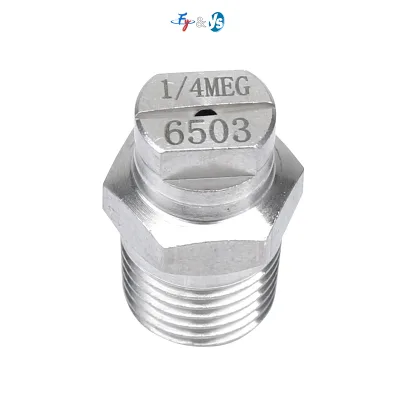
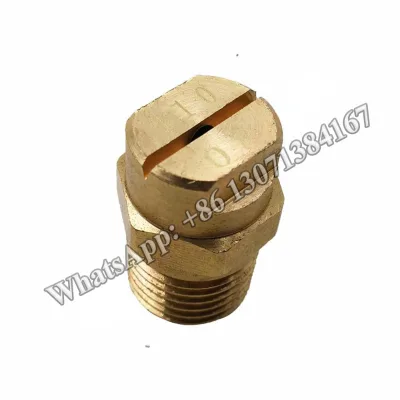
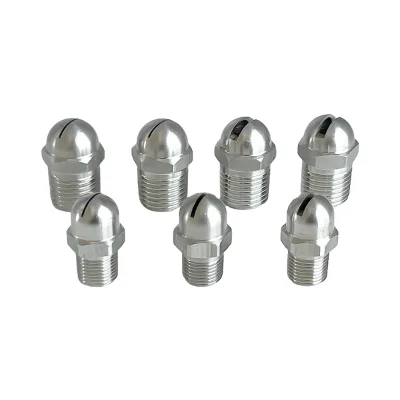
When sourcing high pressure flat fan nozzles, buyers must first establish a clear understanding of the technical architecture that defines performance. The core functionality of these components relies on the specific geometry of the spray pattern, which is predominantly identified as a "Flat Fan" in the current market. This configuration is essential for applications requiring uniform coverage across a specific width, such as cleaning, coating, or industrial processing. The physical shape of the nozzle tip is equally critical, with available configurations ranging from round and flat to triangle and special custom shapes. These variations allow procurement teams to match the nozzle geometry to specific fluid dynamics requirements.
The operational pressure is a defining characteristic of this equipment category. Products in this segment are frequently categorized as "High Pressure Airless Spray Equipment," indicating their capability to operate under significant pressure without the need for an atomizing air source. This distinction is vital for buyers in the oil industry, paper-making sector, and automotive cleaning applications, where high-velocity fluid delivery is necessary. The material composition of the nozzle body and tip directly influences durability and resistance to wear. Common materials observed in the supply chain include stainless steel, which offers superior resistance to rust and corrosion, as well as combinations of plastic and metal for specific cost or weight constraints.
The spray pattern consistency is maintained through precise manufacturing tolerances. Specifications often reference specific model numbers such as the 650039 or various types within the LT series and MEG series. These identifiers are not merely administrative; they correlate to specific orifice sizes and flow rates. For instance, color-coded or numbered designations like 1504, 1506, 3002, and 4002 often correspond to specific orifice diameters, such as 1.3mm, 1.6mm, or 0.91mm, paired with standard thread connections like BSPT 1/4". Buyers must verify that the selected model number aligns with the required flow rate and pressure rating for their specific application, as the "High Pressure" feature is a key performance indicator that must be validated against the intended operating conditions.
Compliance, Certification, and Regulatory Standards
In the industrial procurement landscape, compliance with international standards is a non-negotiable prerequisite for high-pressure equipment. The supply chain for flat fan nozzles demonstrates a strong adherence to quality management systems, with ISO 9001 being the most frequently cited certification. Specific references to ISO 9001:2008 and the updated ISO 9001:2015 standards indicate that manufacturers are maintaining continuous improvement protocols. Additionally, third-party verification bodies such as SGS are often involved in the certification process, providing an external layer of assurance regarding product consistency and safety.
Beyond general quality management, specific product standards and safety certifications play a crucial role in risk mitigation. The presence of CE certification suggests that the equipment meets European health, safety, and environmental protection standards, which is particularly relevant for exporters targeting global markets. The "Cer" attribute listing both ISO9001 and SGS reinforces the expectation that reputable suppliers will provide documentation verifying these claims. Buyers should request valid certificates of conformity for each batch of nozzles, ensuring that the certifications are current and not merely historical claims.
It is important to note that while "ISO" and "SGS" are observed as standard attributes, the specific standard numbers can vary by product line. For example, some listings reference standard codes like 052 or 062-11008, which may relate to internal manufacturing specifications or specific industry norms. Procurement teams must verify that these internal standards align with the regulatory requirements of the buyer's operating region. Relying solely on the presence of a certification logo without verifying the scope of the certificate can lead to compliance gaps. Therefore, the verification process should include a review of the certificate's validity period, the specific scope of coverage, and the accreditation of the issuing body.
Cost Drivers and Pricing Dynamics
The pricing structure for high pressure flat fan nozzles is influenced by a complex interplay of material costs, manufacturing complexity, and order volume. The observed price range in the market spans from 0.01 to 15 USD, a wide variance that reflects differences in material quality, precision engineering, and brand positioning. Lower-cost units typically utilize plastic or standard metal alloys, while premium options featuring high-grade stainless steel or specialized tungsten carbide tips command higher price points. The material choice is a primary cost driver; stainless steel offers longevity and corrosion resistance but incurs higher raw material and machining costs compared to plastic composites.
Order volume is another significant factor affecting the final unit cost. The Minimum Order Quantity (MOQ) in the market ranges from 1 to 1000 units, indicating a flexible supply chain that can accommodate both prototype testing and large-scale industrial deployment. Buyers purchasing in smaller quantities may face a higher per-unit cost due to the fixed overheads of setup and packaging. Conversely, bulk orders often benefit from economies of scale, reducing the marginal cost of production. The "Wholesale" designation found in some product titles suggests that significant price reductions are available for large-volume transactions, making it essential for buyers to align their procurement strategy with their long-term consumption rates.
Packaging and logistics also contribute to the total cost of ownership. While standard packaging is common, the availability of customized packing options, such as blister boxes in cartons or export-standard packages, can add to the cost. Buyers should evaluate whether the added protection of specialized packaging is necessary for their shipping conditions or if standard packaging suffices. Furthermore, the "Business Type" of the supplier, often listed as "Manufacturer," suggests that purchasing directly from the source may eliminate middleman markups, potentially offering better pricing flexibility. However, buyers must balance this against the potential need for technical support and after-sales service, which can sometimes be more robust with established distributors.
Typical Applications and Industry Use Cases
High pressure flat fan nozzles are versatile components deployed across a diverse array of industrial sectors. The "Widely Used in The Field of Oil Industry" attribute highlights their critical role in upstream and downstream petroleum operations, where they are utilized for cleaning, degreasing, and surface preparation. In these environments, the "High Pressure" capability is essential for removing stubborn contaminants from machinery and infrastructure without damaging the underlying surfaces. The "Wearable" feature of certain nozzles suggests durability in abrasive environments, a common requirement in oil and gas extraction and refining.
The paper-making industry represents another significant application area. In this sector, nozzles are employed for washing, coating, and drying processes. The "Physical Cleaning" principle and "Wet Cleaning" media indicate that these nozzles are designed to handle liquid-based cleaning tasks efficiently. The "Eco-Friendly" feature observed in some product descriptions aligns with the growing industry demand for sustainable manufacturing practices, suggesting that these nozzles may contribute to reduced water or chemical usage through optimized spray patterns.
Automotive and general cleaning applications are also prominent, with specific product names like "Car Washer Nozzle" indicating their use in vehicle maintenance and detailing. The "Automatic" method type suggests integration into automated cleaning systems, where consistency and reliability are paramount. The "Paint" coating process is another key application, where the flat fan pattern ensures an even distribution of paint across surfaces, minimizing waste and ensuring a high-quality finish. The ability to customize the spray pattern and nozzle shape allows these components to be adapted for specialized tasks, such as glazing or specific industrial coating processes, further expanding their utility across different manufacturing lines.
Supplier Evaluation and Sourcing Strategy
Evaluating suppliers for high pressure flat fan nozzles requires a comprehensive assessment of their operational capabilities and market reputation. The "Manufacturer" business type is a strong indicator of direct control over the production process, which often translates to better quality control and customization options. Suppliers with "Over 20 Years Experience in This Line" offer a proven track record, suggesting a deep understanding of the technical challenges associated with high-pressure equipment. This experience is particularly valuable when dealing with complex specifications or custom requirements.
Geographic location is another critical factor in supplier selection. The supply chain for these components is heavily concentrated in China, with specific origins noted in Zhuzhou, Jiangsu, and Shanghai. These regions are known for their robust manufacturing infrastructure and specialized industrial clusters. Buyers should consider the logistical implications of sourcing from these locations, including lead times and shipping costs. The "Global" export market reach of many suppliers indicates that they are accustomed to international trade regulations and logistics, which can simplify the procurement process for overseas buyers.
Customization capabilities are a key differentiator among suppliers. The availability of "Customization" and "Customized" options allows buyers to tailor nozzle specifications to their unique operational needs. This includes modifications to the spray pattern, material composition, or thread connections. However, buyers must also be aware of "Non-Customized" options, which may be more readily available and cost-effective for standard applications. The decision to pursue custom solutions should be based on a clear assessment of whether standard off-the-shelf products can meet the required performance criteria.
Quality Control and Long-Term Procurement Considerations
Ensuring the quality of high pressure flat fan nozzles requires a rigorous quality control (QC) framework. Buyers should implement a multi-stage verification process that includes incoming inspection, performance testing, and periodic audits. The "New" condition of the products is a baseline requirement, but buyers must also verify the physical integrity of the nozzles upon receipt. This includes checking for defects in the spray pattern, thread integrity, and material consistency. The "Rust / Corrosion Proof" feature, while a claimed attribute, should be validated through actual testing or by reviewing third-party test reports.
Long-term procurement considerations extend beyond the initial purchase price. The durability of the nozzle, indicated by features like "Wearable" and "High Pressure" resistance, is a critical factor in the total cost of ownership. Replacing nozzles frequently due to premature wear can significantly increase operational costs and downtime. Therefore, buyers should prioritize suppliers who offer products with proven longevity and resistance to the specific conditions of their application environment. The "Standard or Customised" packing options also play a role in long-term storage and handling, ensuring that the nozzles remain in optimal condition until installation.
Sustainability and environmental impact are increasingly important in procurement strategies. The "Eco-Friendly" attribute suggests that some suppliers are developing products that minimize environmental impact, either through reduced material usage or improved efficiency. Buyers should inquire about the environmental credentials of their suppliers and the lifecycle management of the products. Additionally, the "Global" export reach of suppliers implies a need for compliance with various international environmental regulations, which can serve as an additional layer of quality assurance.
Comparative Analysis of Nozzle Specifications
To facilitate informed decision-making, buyers should compare the specifications of different nozzle models based on their specific application requirements. The following table summarizes key attributes observed in the market, providing a basis for comparison.
| Attribute | Standard Model | Customized Model | High-Pressure Variant |
|---|---|---|---|
| Spray Pattern | Flat Fan | Flat Fan (Adjustable) | Flat Fan (High Velocity) |
| Material | Plastic / Metal | Stainless Steel | Tungsten Carbide / Steel |
| Certification | ISO 9001 | ISO 9001 + SGS | ISO 9001 + CE |
| Application | General Cleaning | Specialized Coating | Oil Industry / Heavy Duty |
| MOQ | 1 - 100 | 100 - 500 | 500 - 1000 |
| Packing | Standard Carton | Custom Blister Box | Export Standard Package |
| Thread | BSPT 1/4" | Custom | BSPT 1/4" (High Spec) |
This comparison highlights the trade-offs between standard and customized solutions. While standard models offer flexibility and lower MOQs, customized models provide tailored performance for specific industrial needs. High-pressure variants are essential for demanding applications but may require larger order volumes and stricter quality verification. Buyers should use this framework to align their procurement choices with their operational goals, ensuring that the selected nozzles deliver the required performance and reliability.
FAQs
What spray pattern do high pressure flat fan nozzles typically feature?
These nozzles typically feature a flat fan spray pattern for uniform coverage. This configuration is essential for applications requiring even distribution across a specific width, such as cleaning, coating, or industrial processing tasks.
Which materials are commonly used to manufacture these high pressure nozzles?
Common materials include stainless steel and combinations of plastic and metal. Stainless steel offers superior resistance to rust and corrosion, while plastic and metal blends may be used for specific cost or weight constraints.
Can buyers find these nozzles with ISO 9001 certification?
Yes, many suppliers offer products certified under ISO 9001 standards, including versions from 2008 and 2015. Third-party verification bodies like SGS are also frequently involved to ensure product consistency and safety compliance.
How does the price range vary for high pressure flat fan nozzles?
The observed price range spans from 0.01 to 15 USD depending on material and precision. Lower-cost units often use plastic or standard alloys, while premium options with stainless steel or tungsten carbide tips command higher prices.
What is the typical minimum order quantity for these industrial nozzles?
The minimum order quantity ranges from 1 to 1000 units to accommodate different needs. Smaller quantities suit prototype testing, while bulk orders benefit from economies of scale and lower marginal production costs.
Which industries widely use high pressure airless spray equipment?
These nozzles are widely used in the oil industry, paper-making sector, and automotive cleaning. They are also employed in paint coating processes where a flat fan pattern ensures an even distribution of material across surfaces.
Are custom spray patterns and shapes available for these nozzles?
Customization is available for various shapes including round, flat, triangle, and special configurations. Buyers can tailor nozzle specifications to unique operational needs, though non-customized options are also available for standard applications.